
In an era dominated by influencer culture and micro-trends, the undeniable pull for hyper consumerism can feel unavoidable. With content creators influencing millions of followers towards new products, trends and brands, many of us feel conditioned to make purchases due to a fear of missing out. A familiar trend on TikTok, Deinfluencing You, has been circling on social media to try and influence people to stop making unnecessary purchases.
What is de-influencing?
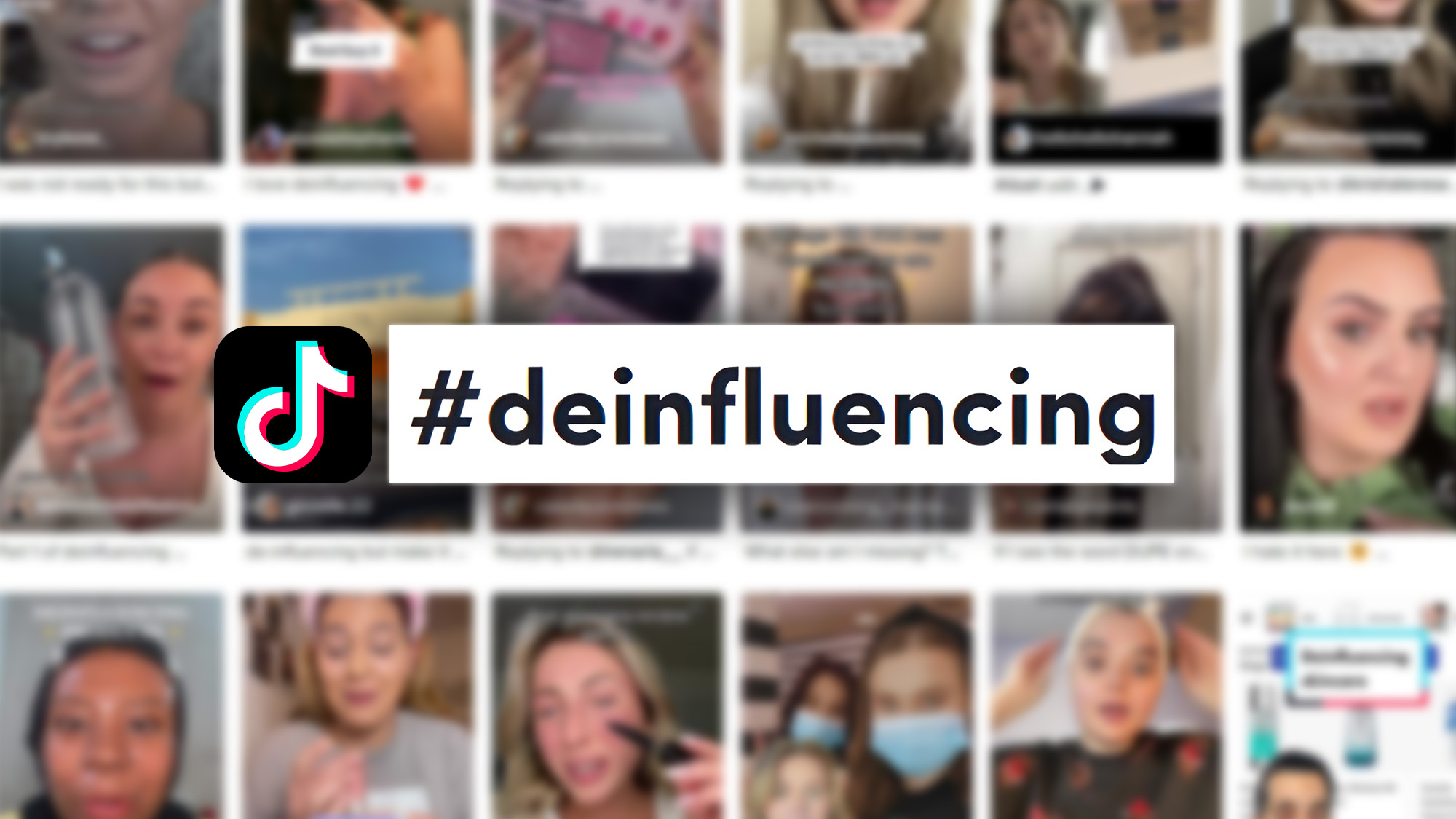
De-influencing is a social media trend that has gained traction over the past year. It circulates around content creators advising their viewers on what they do not need, helping them avoid getting sucked into the world of impulse buying and overconsumption. Its possibly a response to overconsumption culture lead by influencers and sponsored content from brands (#ad).
On TikTok, the hashtag #deinfluencing has amassed to 45.4k posts and reached over 300 million users, demonstrating a strong interest in learning about what we truly need.
A study by Statista shows that 38% of surveyed TikTok accounts have been influenced into making purchases, which means influencing is working. In 2024, influencers play an important role in advertising brands and creating content for social media to boost traction and sales.
How it started
Paige, from Overcoming Overspending (@overcoming_overspending) on TikTok is dedicated to teaching her viewers on how to stop over consumption and impulse buying. In a viral video ‘Deinfluencing You’, Paige has accumulated 9.2m views and Chelsea (@chelseaspursuit) who touches on deinfluencing has a video of 7.5m views, who both delve into how deinfluencing is having a healthy balanced relationship to making purchases. Do we need the same bag in multiple colours? Why are we still flooding our wardrobes when we only wear 26% of our clothes?
Does de-influencing affect influencers?
While we discuss how de-influencing should be a better practice for us, it's important to recognise that de-influencing is still a form of influencing. It steers you away from wanting to keep up with trends and encourages different spending habits.
However, there is still a positive side to influencing, influencers are still a valuable tool in producing review content to help people make informed purchases. While many of us strive to be more cost conscious and encourage low impact purchases, influencers play a crucial role in helping people make concise and more thoughtful decisions.
Sustainability has been a big topic for many brands in the past decade, instead of buying new, there are people who prefer to shop on Vinted and Ebay. Thrift hauls and shopping have been a new trend on TikTok over past few years and many have been influenced to be more sustainable and instead are buying used. It's also worth noting that people often desire unique, one-of-a-kind items that evoke a sense of luxury. This desire often entices them to shop for pre-loved or vintage pieces. Earlier this year, Vinted released a ‘Too Many’ campaign which touched on the overconsumption topic, the advertisement depicts the reality of excessive consumption by urging consumers to reconsider their relationship with clothing.
De-influencing does not seem to be a passing trend that will fade away in the near future. It's a reflection of the power and impact influencers have, as well as the power to build a better relationship with excessive consumption. As de-influencing continues to evolve, brands can adapt to change and support ethical consumerism.